September 22, 2026
Selecting the appropriate roll off dumpster for debris management plays an important role in keeping project sites clean, safe, and efficient. Whether dealing with a minor home update or a massive commercial build, understanding how to manage debris saves both time and financial resources. Making an improper choice often leads to logistical headaches, unexpected overage charges, or physical delays on the job site. Balancing capacity with site space ensures that work continues without unnecessary interruption. Every project benefits from early planning and clear coordination regarding site logistics.
Proper planning requires a careful look at the volume of material produced during work. Choosing a container that is far too small requires multiple trips by hauling vehicles, which quickly drives up overall service expenses. Conversely, securing a giant container for a light clearing effort wastes valuable driveway or lot space and results in paying for unused capacity. Taking the time to evaluate physical layout needs and total expected weight ensures a smooth disposal workflow from start to finish. Site managers who accurately assess their needs avoid unnecessary expenses and keep their properties organized.
Understanding Types of Projects and Their Waste Needs
Residential activities present varying demands depending on the overall scale of the property improvement. Light updates, such as clearing out a basement, removing old carpeting, or refreshing landscape beds, generate a manageable amount of debris. Larger efforts, like replacing a roof or tearing down interior walls, produce heavy material that rapidly fills up space. Matching the container volume to the specific home project prevents site clutter and keeps walkways clear for workers. Homeowners who plan ahead can comfortably maintain daily access to their property.
Commercial undertakings usually involve much larger quantities of discarded materials and operate under strict completion schedules. Office updates, retail store strip-outs, and large facility clearing efforts produce mixed debris including drywall, metal framing, and bulk furniture. For these high-volume commercial efforts, selecting a large roll off dumpster ensures that ongoing work is not stalled by inadequate waste storage. Having sufficient capacity on site keeps operations moving smoothly while maintaining compliance with local commercial regulations. Proper site organization also helps protect workers from unnecessary tripping hazards during busy workdays.
Analyzing Standard Container Options
Ten yard units serve as an ideal option for smaller projects with limited space constraints. These smaller containers easily accommodate cleanouts from garages, small deck removals, or minor bathroom updates without consuming an entire parking area. Their compact footprint makes them exceptionally easy to place on residential driveways or narrow urban alleys. Selecting this compact size provides adequate volume for light debris while keeping overall rental expenses to a minimum. Property owners appreciate how quickly these containers can be delivered and retrieved.
Twenty yard options represent a versatile middle ground for medium-scale residential and light commercial jobs. They comfortably handle multi-room carpet removals, larger kitchen updates, or moderate roof replacement projects. For example, according to the Harvard Joint Center for Housing Studies, the home remodeling market has surpassed $600 billion in recent years. This immense market size underscores the need for efficient waste management solutions, such as selecting the proper roll off dumpster, to handle the increased volume of waste generated. Utilizing the right equipment allows contractors to stay focused on building rather than cleaning.
Evaluating Larger Volume Solutions
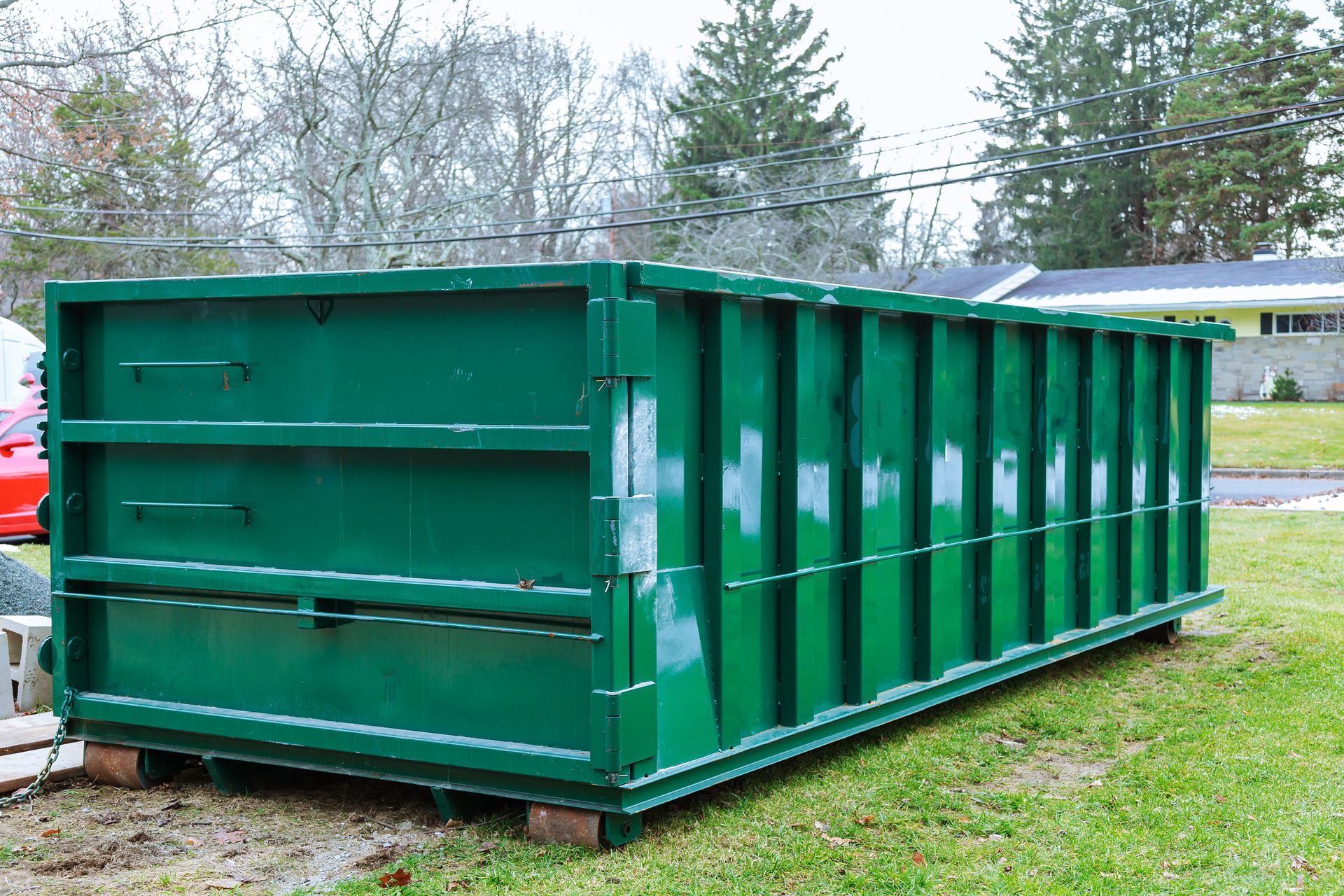
Thirty yard containers provide the higher capacity required for major construction and extensive building renovations. These units hold substantial quantities of bulky items, structural lumber, and mixed construction waste. Utilizing a thirty yard container allows large crews to dispose of demolition materials continuously without facing constant site clutter. This size strikes a balance between holding massive volume and remaining manageable for placement on larger private properties or commercial lots. Choosing this option helps maintain a safe environment for everyone walking through the site.
Forty yard units stand as the ultimate choice for large commercial builds, structural demolitions, and complete building clear-outs. Capable of handling massive quantities of debris, these large units prevent the need for constant haul-away trips on major job sites. Securing a large roll off dumpster minimizes operational downtime by providing a single, massive collection point for heavy structural waste. Proper site preparation remains essential for these units due to their substantial physical footprint and weight. Construction managers routinely rely on these massive containers to keep heavy industrial jobs running on schedule.
Factoring Key Elements Into Your Choice
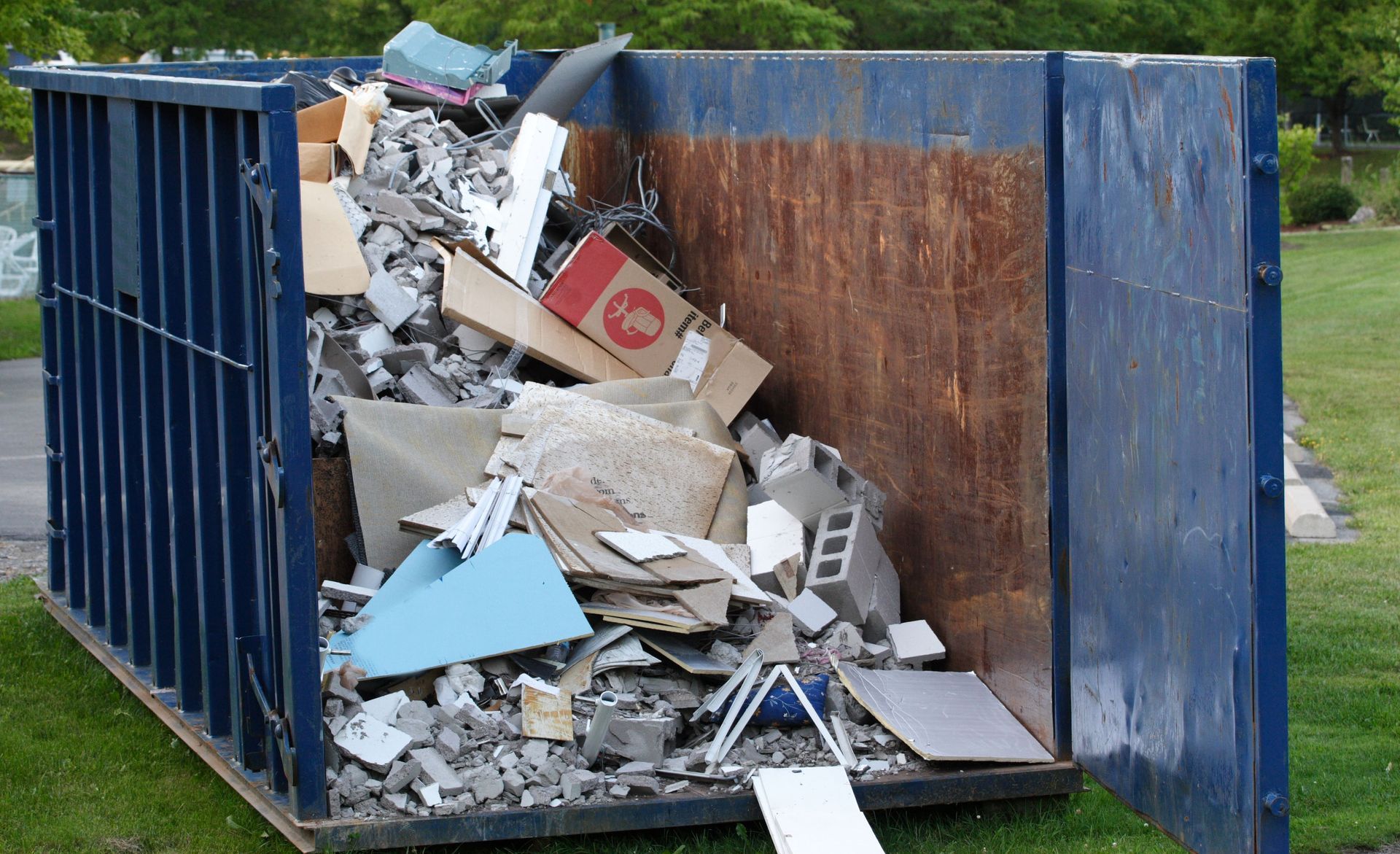
Assessing the overall scope of work forms the foundation of smart material management planning. Estimating total waste volume requires looking at both the square footage of the work area and the density of the materials involved. Heavy items like concrete, brick, or dirt quickly reach weight thresholds even if the container looks half empty. Factoring in material density alongside overall volume prevents unexpected overage fees and ensures safe transport. Careful planning upfront prevents costly surprises when the container is weighed at the facility.
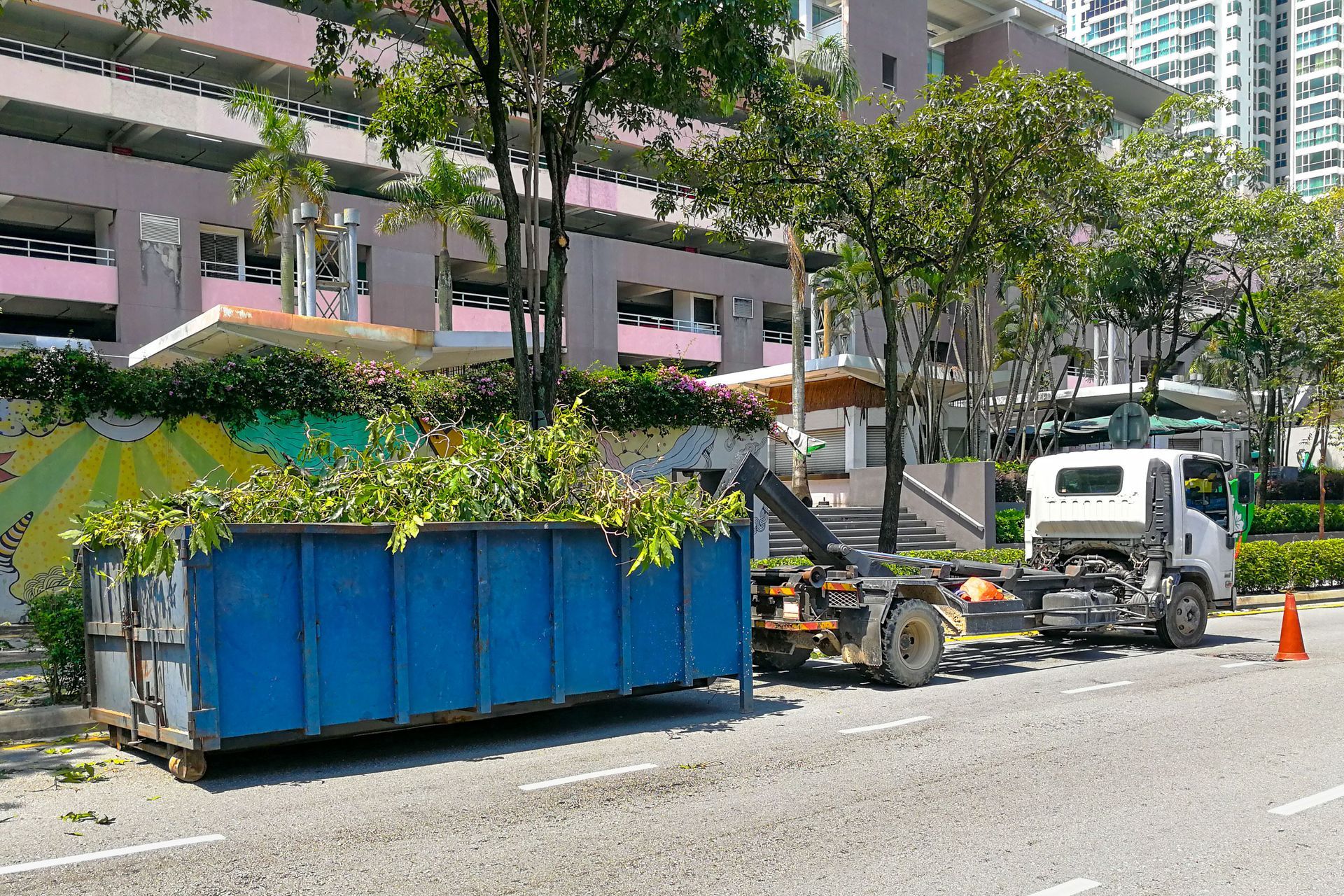
Evaluating physical placement space on the job site is equally critical before placing an order. Delivery trucks require adequate clearance, overhead space free of tree branches or utility lines, and a firm, flat surface for placement. Urban sites may require special street parking permits if private driveway space is unavailable. Ensuring the selected location permits easy access for workers loading heavy materials maximizes safety and daily efficiency. Checking local municipal regulations beforehand prevents unexpected ticketing or work stoppages.
Estimating and Optimizing Daily Usage
Conducting a thorough assessment of planned materials before ordering prevents common project delays. Project managers should break down work phases to project when peak waste generation will occur. Utilizing digital calculation tools or consulting with service providers helps translate material measurements into accurate container sizes. Proper planning accounts for both bulk volume and total weight limits set by local disposal facilities. Establishing realistic timelines keeps projects moving smoothly from initial tear-down to final cleanup.
Maximizing space inside the container requires deliberate packing strategies rather than random dumping. Placing large, flat items at the bottom creates a solid foundation and eliminates hollow gaps. Breaking down furniture, wooden frames, and cardboard boxes further maximizes available interior volume. Distributed weight loading keeps the container stable during transit and ensures compliance with highway safety standards during hauling. Smart packing habits significantly increase the total amount of material you can fit inside.
Executing Safe Loading Practices
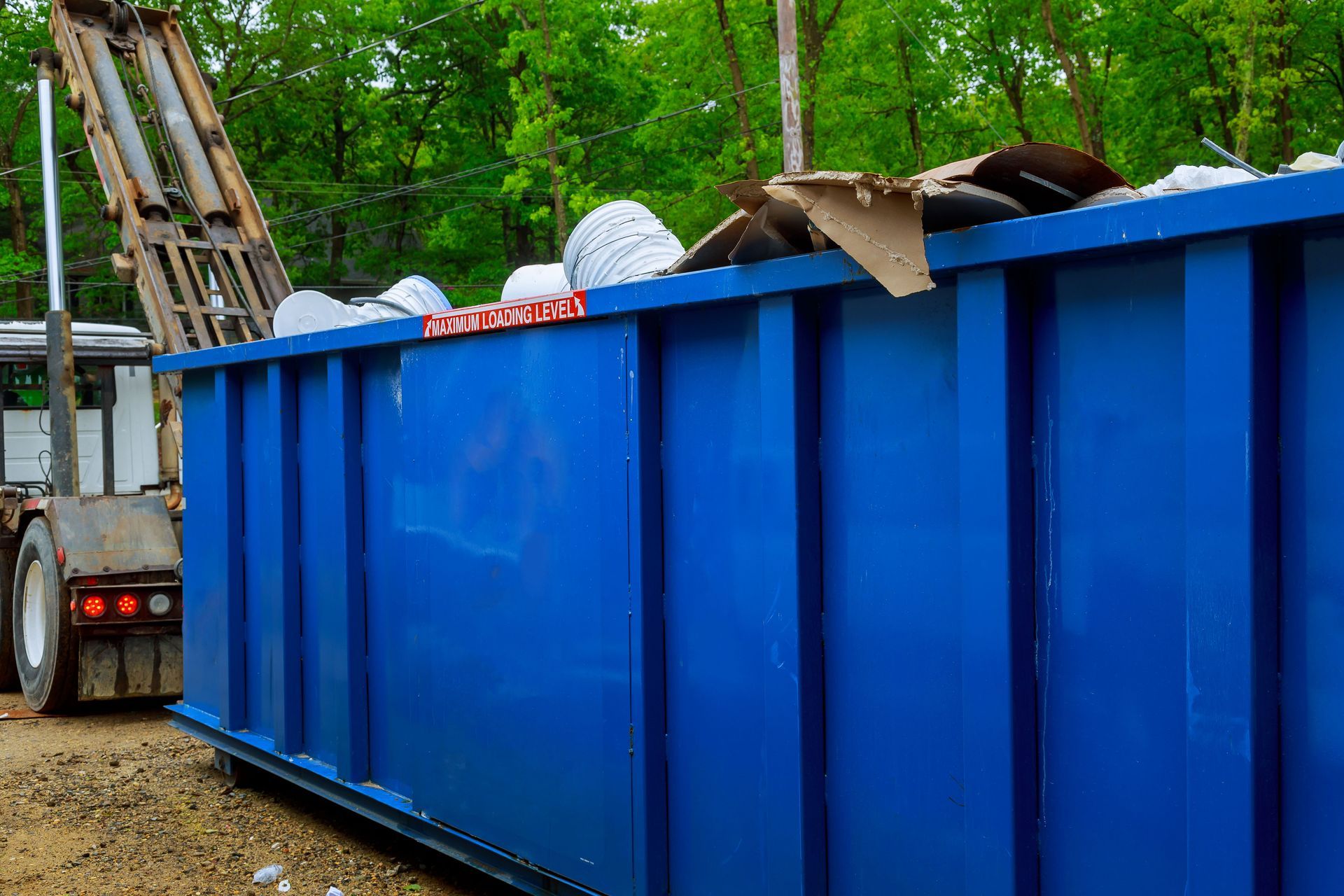
Loading heavy construction debris demands focus on safety and physical organization. Heavy items such as masonry, stone, or dense timber should be loaded through the rear access door rather than thrown over the high sidewalls. Keeping the load even prevents tipping hazards when the unit is lifted back onto the transport truck. Furthermore, keeping materials below the upper rim prevents loose debris from spilling onto roadways during transit. Team leaders should always review loading rules with workers before beginning heavy demolition work.
Establishing clear site rules for waste sorting prevents environmental contamination and regulatory penalties. Hazardous liquids, electronics, batteries, and certain chemicals must be separated from general construction waste. Arranging for separate handling of recyclable materials, such as clean metal or scrap wood, supports sustainable building practices. Implementing these systematic loading and sorting habits promotes site safety, protects workers, and streamlines the entire disposal process. Following local disposal guidelines helps keep hazardous materials out of general landfills.
Achieving Cost Efficiency and Project Success
Managing project expenses relies heavily on choosing accurate disposal equipment from the start. Overloading containers or selecting incorrect sizes for heavy materials often results in extra handling charges, transit delays, or structural safety issues. Partnering with experienced waste management professionals helps clarify local regulations, permit requirements, and weight allowances. Proactive planning ensures that material disposal proceeds seamlessly alongside primary construction work. Keeping your project within budget starts with smart logistics decisions made on day one.
Maintaining a clean and organized job site enhances safety, protects property values, and keeps construction schedules on track. Proper waste containment minimizes environmental hazards and presents a professional image to surrounding neighborhoods or commercial zones. For reliable disposal solutions tailored to your upcoming project, contact WasteCo, Inc today to schedule your next
roll off dumpster delivery. Dedicated experts stand ready to assist you in selecting the perfect container size for any scope of work.