October 29, 2026
Maintaining a clean, safe, and organized job site is an essential requirement for operational success across construction, industrial, commercial, and residential projects. Whether managing a large-scale commercial build, a residential remodel, a major roofing replacement, or a comprehensive site cleanout, managing debris effectively prevents costly project delays, eliminates safety hazards, and ensures strict compliance with local environmental regulations. Utilizing roll-off dumpsters provides a structured, high-capacity solution for waste containment, allowing project managers to handle massive volumes of waste efficiently. By establishing centralized waste collection points, teams can streamline workflows, minimize unnecessary downtime, maintain clear site access, and enforce safety protocols from project kickoff through final inspection.
1. Understanding Roll Off Dumpsters and Essential Disposal Guidelines
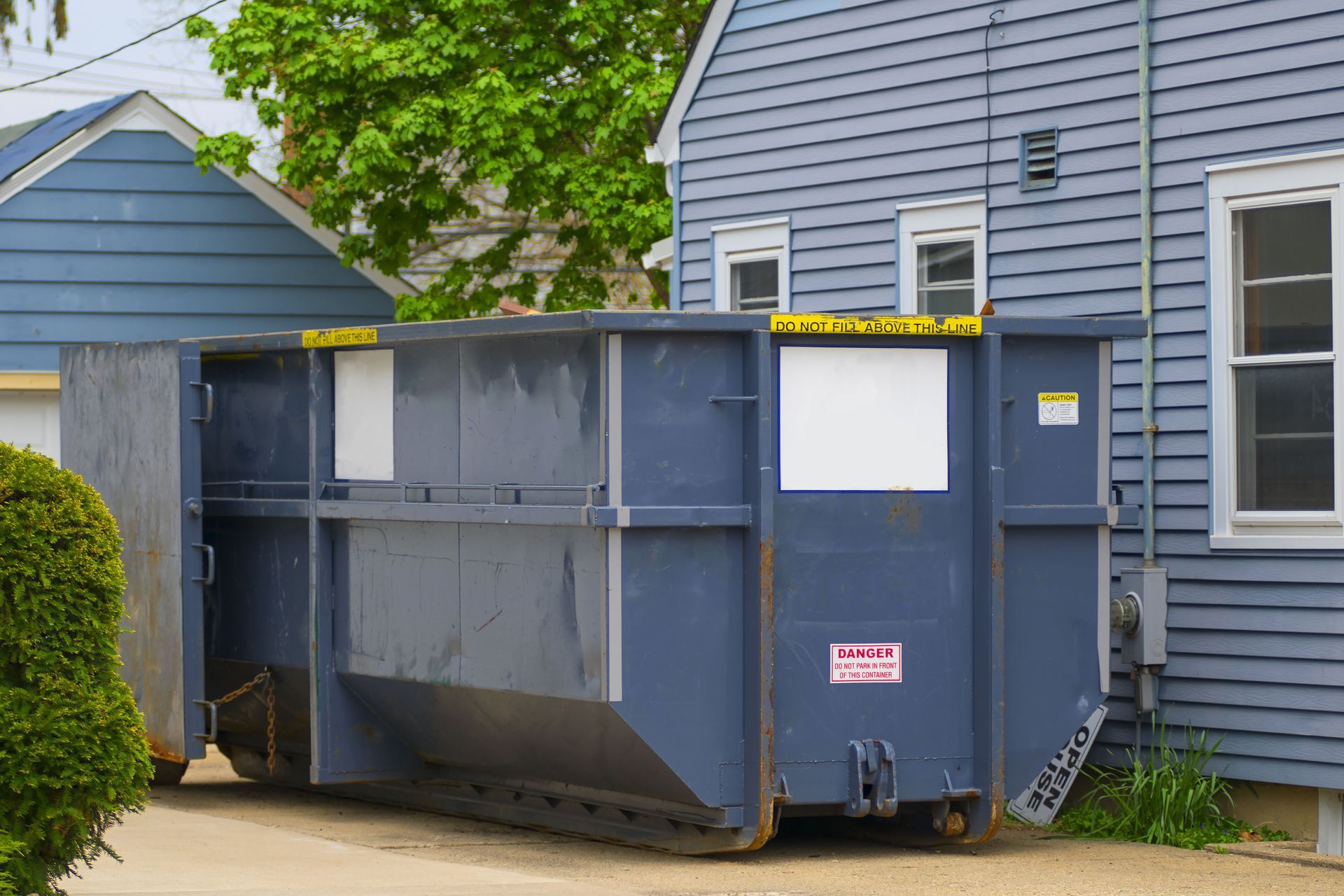
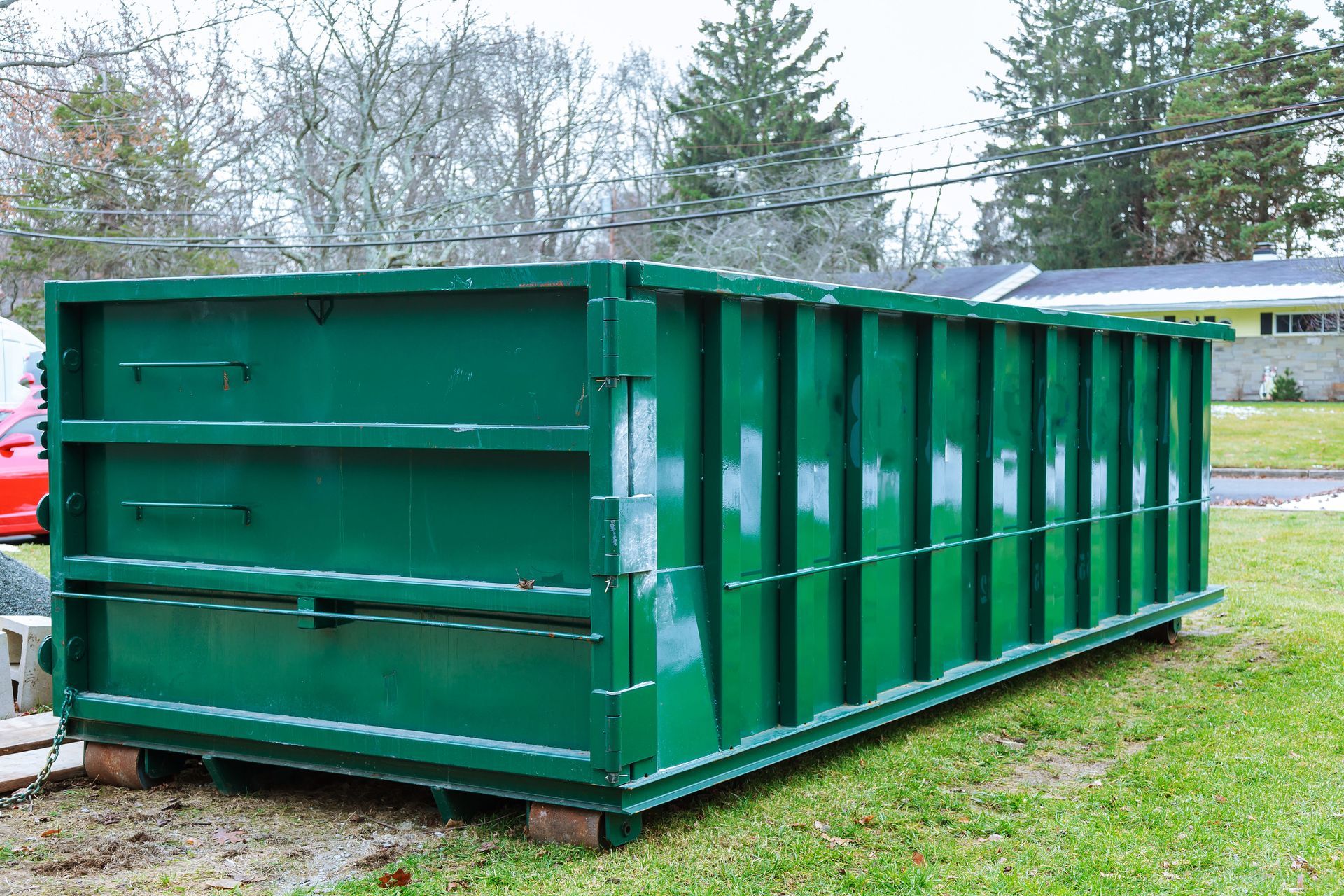
Roll off dumpsters are specialized, open-top waste containers engineered for high-volume waste storage and seamless transport via heavy-duty roll-off trucks. These containers feature a rectangular footprint and built-in wheels or rollers, enabling hydraulic truck beds to slide, roll, and tilt them smoothly into position on job sites. Unlike standard stationary waste bins, roll off dumpsters are designed for heavy construction debris, bulky materials, and large-scale cleanouts. Serving as centralized waste disposal hubs, they prevent loose materials from scattering across work zones, maintaining clean pathways for foot traffic, machinery, and material deliveries. Incorporating these heavy-duty units into site planning helps project supervisors eliminate site clutter, enhance visual organization, and maintain orderly job sites throughout all project phases.
These containers are available in a broad range of standard sizes to accommodate various project scales and debris profiles, typically measured in cubic yards. The most common sizes include 10, 20, 30, and 40-cubic-yard options, each engineered to fulfill specific capacity and weight requirements. A 10-yard or 20-yard dumpster is ideal for smaller projects such as residential bathroom remodels, basement cleanouts, or light roofing jobs, offering compact footprints that fit easily in narrow driveways. Conversely, 30-yard and 40-yard dumpsters are built to handle extensive commercial construction, full building demolitions, and large-scale land clearing tasks where massive debris volumes are generated daily. Accurately matching dumpster capacity with expected waste volume prevents site overflow, minimizes haul-off frequency, and keeps project budgets on track.
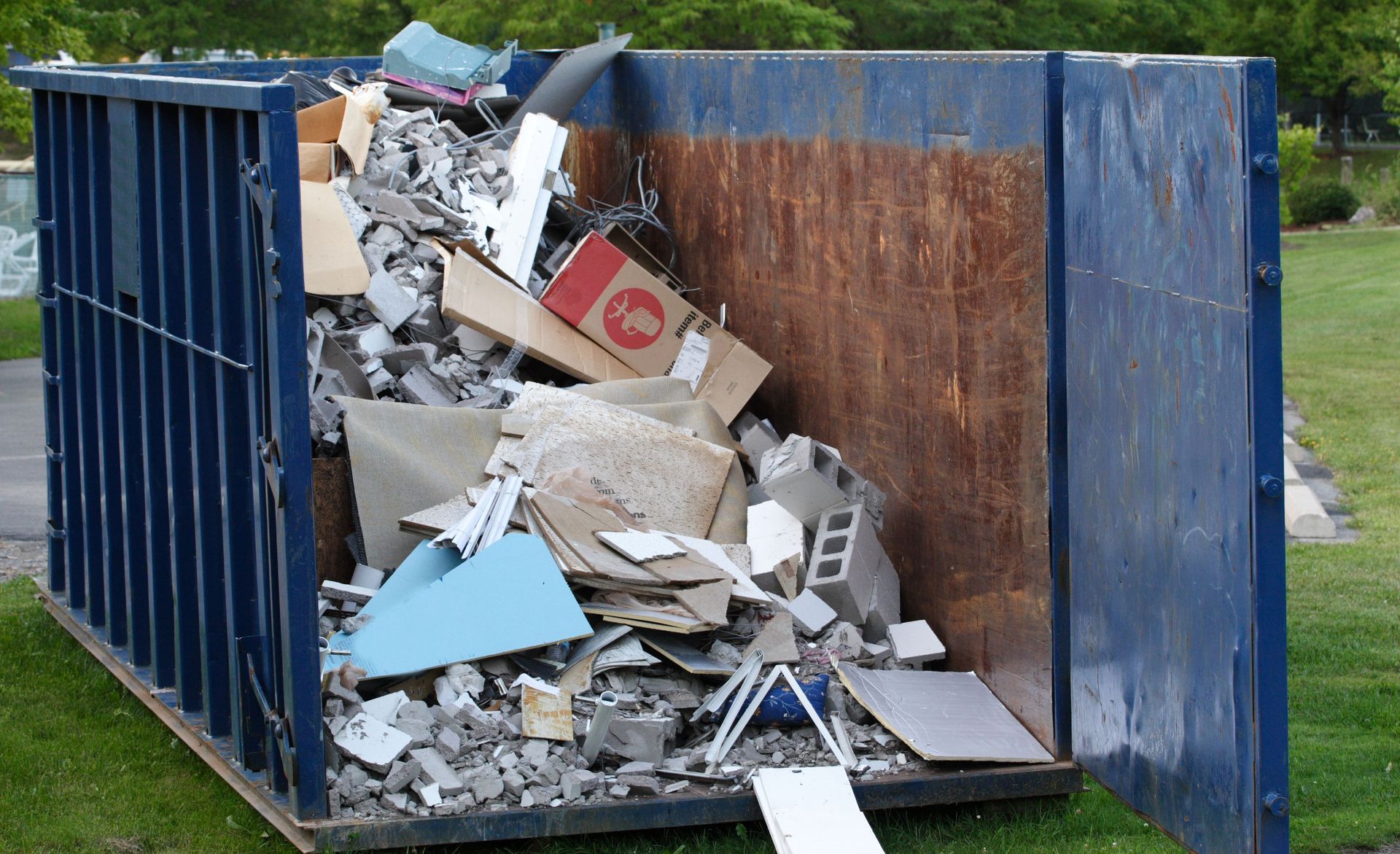
Roll off dumpsters accommodate a wide variety of construction and municipal waste, including dimensional lumber, drywall, roofing shingles, scrap metal, masonry, furniture, and general rubbish. However, regulatory frameworks and waste management policies strictly forbid the disposal of hazardous materials such as liquid paints, chemical solvents, asbestos, motor oils, lithium-ion batteries, industrial electronics, and medical waste. Proper sorting and material awareness are essential for preventing environmental contamination and avoiding severe regulatory penalties or municipal fines. According to Waste Advantage Magazine, over 95% of concrete and asphalt are recovered from construction and demolition waste. Partnering with professional waste service providers ensures that materials are disposed of in full compliance with local, state, and federal environmental standards.
2. Evaluating the Core Operational Benefits of Heavy-Duty Waste Containers
Deploying roll off dumpsters directly on-site yields significant operational advantages, primary among them being enhanced site safety and hazard reduction. Construction sites naturally accumulate hazardous debris, such as sharp metal edges, exposed nails in lumber, broken glass, and heavy masonry chunks. Leaving these materials uncontained creates serious trip hazards, puncture risks, and potential liability issues for general contractors and property owners. By depositing debris directly into a sturdy, centralized container, project teams keep work corridors clear and significantly lower the incidence of site accidents. A tidy work environment protects workers, clients, and visitors while fostering a culture of professional safety compliance.
In addition to safety improvements, heavy-duty waste containers boost operational efficiency and labor productivity across all trades on-site. When waste disposal options are limited or improperly situated, crew members waste valuable time making repeated trips to haul debris to distant bins or temporary stockpiles. Strategic dumpster placement streamlines clean-up tasks, allowing workers to focus their time and energy on core construction duties. Furthermore, utilizing high-capacity containers reduces the frequency of necessary haul-offs compared to smaller waste bins, minimizing site disruptions, reducing truck traffic in busy zones, and controlling overall project labor expenses.
Effective waste management using roll off dumpsters also supports sustainable building practices and corporate social responsibility goals. Modern waste sorting techniques allow valuable construction materials to be separated at the source and redirected away from municipal landfills toward specialized recycling facilities. Scrap metals, clean lumber, concrete, and cardboard can be processed for secondary industrial uses, significantly lowering the carbon footprint of construction developments. Demonstrating responsible waste management practices and tracking material diversion rates enhances a contractor's reputation among project owners, municipal inspectors, and eco-conscious clients in today's market.
3. Implementing Proper Logistics and Site Placement Strategies
Achieving maximum efficiency with roll off dumpsters requires detailed logistical planning regarding container placement and site accessibility before delivery. Supervisors must designate a flat, stable, and load-bearing surface capable of supporting the combined weight of the container, heavy debris, and the delivery vehicle. Paved asphalt driveways, concrete staging pads, or heavily compacted soil are optimal locations. When placing dumpsters on paved residential or commercial surfaces, laying down protective wooden boards or plywood underneath the container rollers prevents surface scraping, pavement cracking, or structural indentations caused by heavy weight distribution.
Logistical assessments must also evaluate vehicle clearance, overhead obstacles, and daily work traffic patterns. Delivery trucks require adequate space to maneuver, back up, and extend hydraulic hoist beds without interference. Supervisors must verify that the designated drop zone is free of low-hanging tree branches, power lines, building eaves, or temporary scaffolding structures. Positioning the dumpster too far from active work areas increases manual hauling labor, while placing it too close to main access routes can block machinery traffic, concrete deliveries, or emergency vehicle access. Clear pathways should always be maintained around the container loading area.
Establishing clear loading protocols and weight management rules for site workers is critical to maintaining safe transit and avoiding operational delays. Debris must be distributed evenly across the floor of the dumpster to ensure proper weight distribution during truck loading and highway transport. Overfilling containers past the sidewalls or stacking waste above the top rim creates severe hazards during transport, as falling debris can endanger public roadway traffic. Adhering to manufacturer weight limits and fill lines prevents transport delays, safety violations, and costly overweight fees, ensuring smooth pickup and drop-off schedules throughout the project duration.
4. Optimizing Waste Segregation and Sustainable Recycling Practices
Implementing structured waste segregation protocols directly at the job site substantially increases material recovery rates and supports sustainable resource management. By organizing dedicated dumpsters for specific waste streams, such as clean wood, scrap metal, cardboard, or heavy masonry, contractors can streamline processing at material recovery facilities. Sorting materials at the source reduces cross-contamination, ensuring that high-grade recyclables are not rendered unusable by mixed trash. This disciplined approach minimizes total landfill disposal fees, lowers environmental impacts, and assists developers in meeting LEED certification goals and local environmental compliance standards.
5. Selecting the Right Service Provider and Managing Project Timelines
Selecting an experienced, reputable waste management partner is essential for maintaining flexible schedules and seamless site operations. A reliable service provider offers transparent rental agreements, clear guidance on weight allowances, upfront pricing without hidden delivery fees, and prompt haul-away services upon request. Effective communication between site managers and the hauling company allows for responsive scheduling adjustments when project scopes expand or waste generation surges unexpectedly. Maintaining an organized, efficient waste management system ensures continuous workflow, clean surroundings, and professional site oversight. For more information about the services that we offer, reach out to our incredible team at WasteCo, Inc today!