April 21, 2026
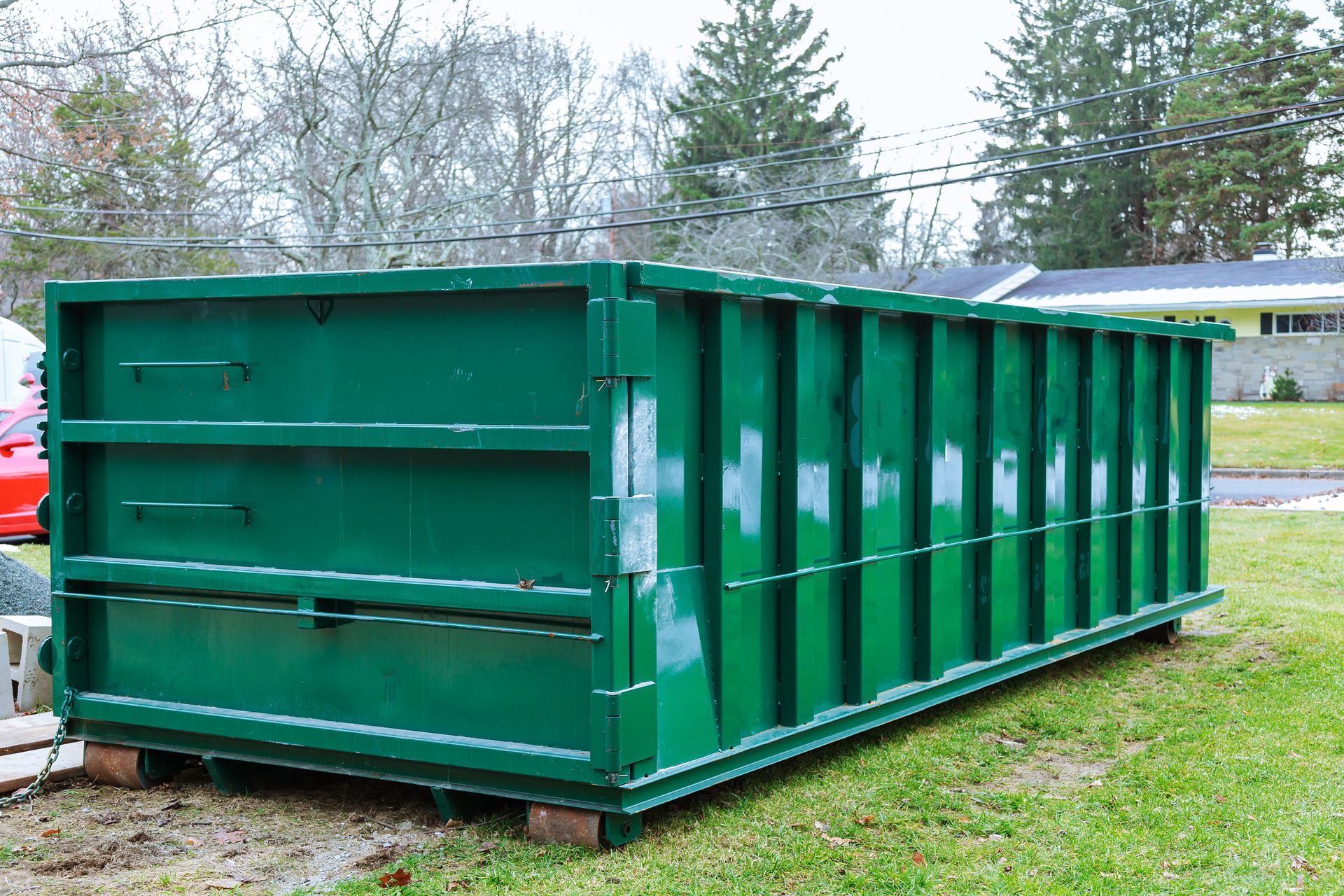
When you take on a major cleanup, renovation, or construction project, one of the first questions that comes up is how you will manage all the waste. From bulky debris to everyday junk, the amount of material can quickly become overwhelming without the right solution in place. That is where a local roll-off dumpster service becomes an essential part of your plan, helping you stay organized and keep your site safe.
Knowing what materials can go into a dumpster is just as important as choosing the right size. Not everything can be tossed in without consideration, and knowing the guidelines helps you avoid delays, extra fees, or safety concerns. A roll-off dumpster can handle a wide range of materials, making your project far more efficient from start to finish.
Common Construction Debris
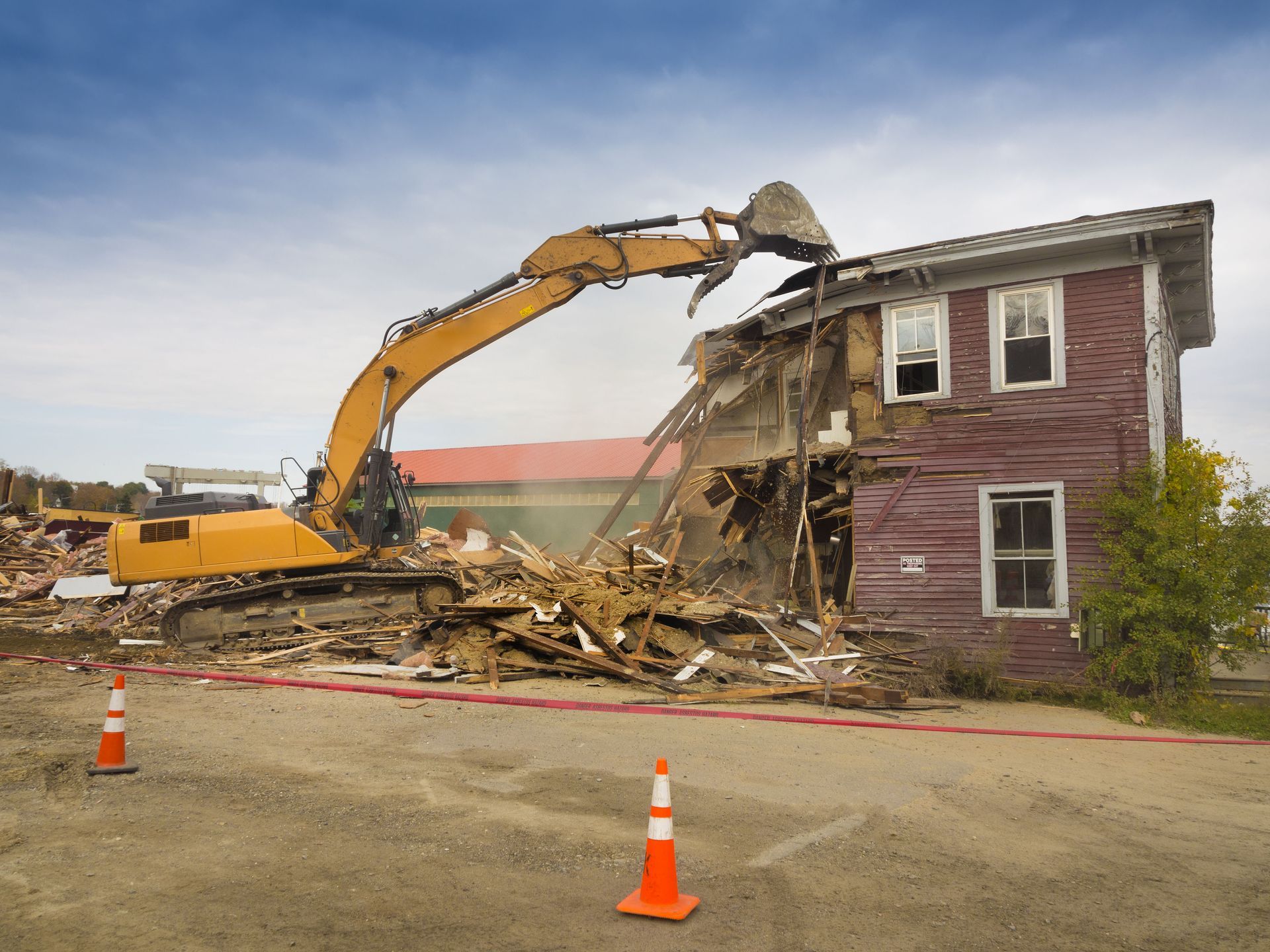
Construction projects generate a large volume of debris, and most of it can be safely handled with a roll-off dumpster. Materials like wood, drywall, lumber, and siding are some of the most common items placed into dumpsters during building or demolition work. These materials are typically non-hazardous and easy to load, making them ideal for efficient disposal.
Concrete, bricks, and asphalt are also frequently included in construction waste. These heavier materials may require specific dumpster types or weight limits, but they are still widely accepted by most providers. According to Waste Advantage Magazine, more than 95% of concrete and asphalt are recovered from demolition and construction waste, which highlights the importance of proper disposal and recycling practices. This makes it even more valuable to separate and load these materials carefully.
Roofing materials such as shingles, tiles, and underlayment are another major category. When replacing a roof, the amount of debris can pile up quickly, and having a dumpster on-site allows you to remove materials as you go. This helps maintain a cleaner and safer work environment while keeping your project on schedule. It also reduces the risk of nails and sharp debris being left behind.
In most cases, a local roll-off dumpster service can handle all of these construction materials without issue, provided they are loaded properly and do not exceed weight restrictions. By understanding what qualifies as acceptable construction debris, you can streamline your workflow and avoid unnecessary complications. Planning ahead also helps you choose the right dumpster size for your needs.
Materials From Renovation Projects
Remodeling and renovation projects often produce a mix of materials that fall somewhere between construction debris and household waste. Items like cabinets, countertops, flooring, and old fixtures are commonly removed during upgrades and can typically be placed in a roll-off dumpster. These materials are bulky and difficult to dispose of through regular trash services, making a dumpster a practical solution. Having one central place for disposal helps keep your renovation organized.
Flooring materials such as tile, carpet, and hardwood are also frequently discarded during renovations. While these items are generally accepted, it is important to consider their weight and volume when planning your disposal. Breaking them down into manageable pieces can help maximize space and ensure efficient loading. This approach also makes it easier to transport materials safely.
Appliances and large fixtures may also be part of your renovation waste. Items like sinks, bathtubs, and non-refrigerating appliances are often allowed, but certain restrictions may apply depending on the material or components involved. Checking with your provider ahead of time ensures that you handle these items correctly. This extra step can help you avoid unexpected issues on pickup day.
Using a local roll-off dumpster service during renovation projects helps you keep all waste contained in one place. This not only simplifies cleanup but also reduces the risk of damage or injury caused by scattered debris throughout your home or worksite.
Waste From Cleanup Jobs
Cleanup projects can vary widely, from garage cleanouts to estate cleanups and large-scale property clearing. These types of jobs often produce a mix of general household waste, furniture, and miscellaneous junk. A roll-off dumpster provides a convenient way to gather everything in one location and dispose of it efficiently.
Furniture items such as couches, chairs, tables, and mattresses are commonly accepted in dumpsters. These bulky pieces can take up significant space, so having a designated container helps you manage them without multiple trips to a disposal facility. It also allows you to work at your own pace without worrying about immediate removal.
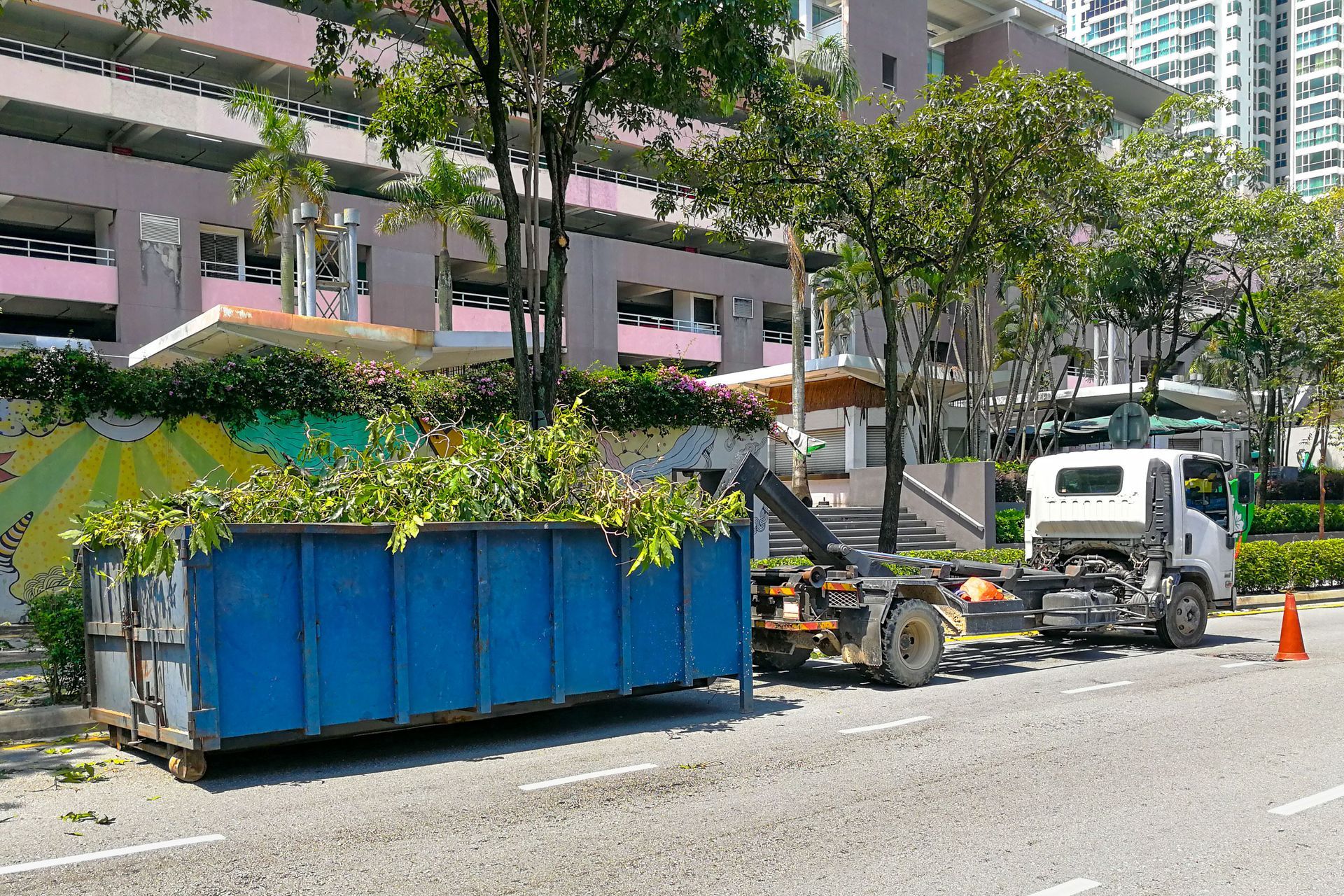
Yard waste is another common category during cleanup jobs. Branches, leaves, grass clippings, and small shrubs can typically be placed in a dumpster, especially during seasonal cleanups or landscaping projects. Keeping this organic material contained prevents it from piling up and becoming difficult to manage.
A local roll-off dumpster service is especially useful for large or time-sensitive cleanup efforts. Whether you are clearing out a property or tackling years of accumulated clutter, having a reliable disposal option ensures that your project stays on track and does not become overwhelming. This kind of support can make a big difference in completing the job efficiently.
Heavy Debris and Special Loads
Some projects involve materials that are significantly heavier or require special handling. Items like dirt, gravel, sand, and large amounts of concrete fall into this category and may need specific types of dumpsters designed to handle their weight. These materials are often associated with excavation, landscaping, or major construction work.
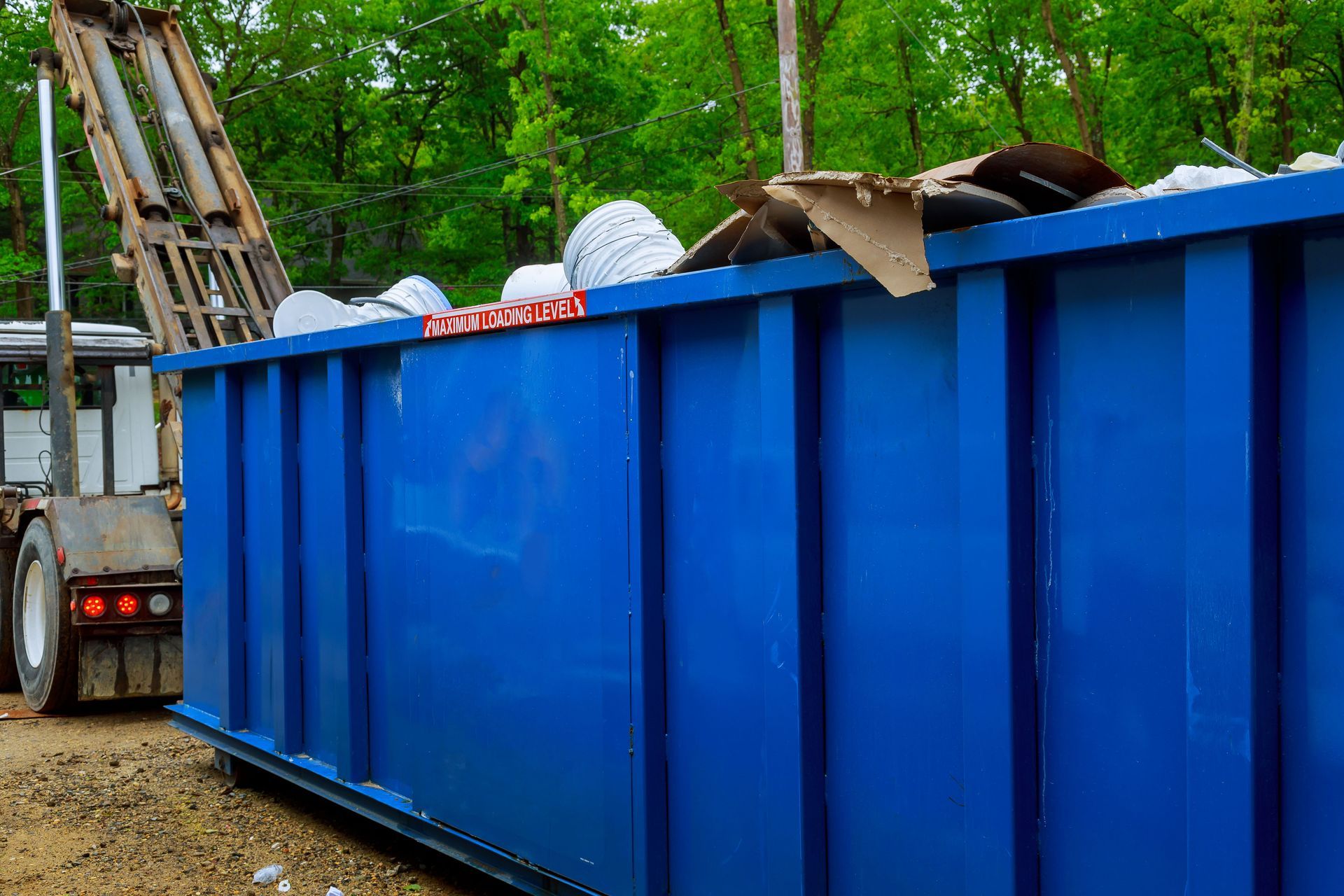
Loading heavy debris requires careful planning to avoid exceeding weight limits. Distributing the material evenly within the dumpster helps prevent issues during transport and ensures compliance with safety guidelines. It is also important to communicate with your provider about the type and volume of material you plan to dispose of.
Certain items may require additional consideration due to regulations or environmental concerns. While many heavy materials are accepted, hazardous substances are typically restricted and must be handled separately. Understanding these limitations helps you avoid complications and ensures responsible disposal practices.
Working with a local roll-off dumpster service that is experienced in handling heavy and specialized loads gives you confidence that your materials will be managed properly. This level of support is especially valuable for complex projects that involve a variety of waste types. It also ensures that your disposal process runs smoothly from start to finish.
Choosing the right disposal method can make a significant difference in the success of your project. From construction debris to renovation materials and large-scale cleanup waste, roll-off dumpsters offer a flexible and efficient solution for managing a wide range of materials. Knowing what can and cannot be placed in a dumpster allows you to plan ahead and avoid unnecessary setbacks.
A local roll-off dumpster service provides the convenience and reliability you need to handle even the most demanding jobs. By understanding the types of materials that are typically accepted, you can make informed decisions and keep your project running smoothly from beginning to end.
When you take the time to organize your waste disposal strategy, you create a safer and more productive environment. Whether you are tackling a home renovation, clearing out a property, or managing a construction site, having the right dumpster in place simplifies every step of the process.
If you're ready to simplify your cleanup with a reliable local roll-off dumpster service, count on our team at WasteCo, Inc. We'll keep your project running smoothly from start to finish.